
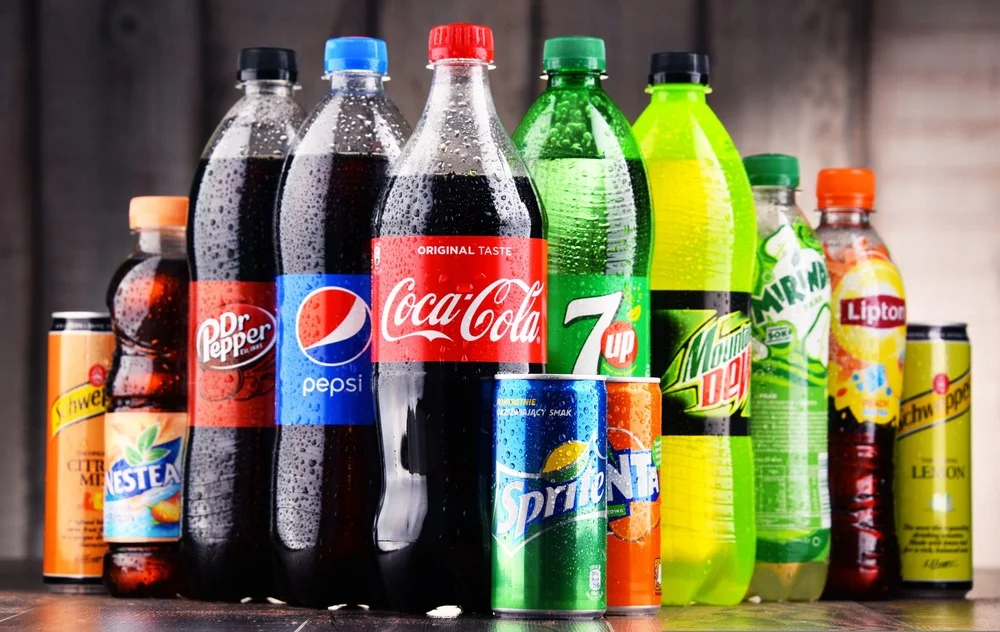
A typical fizzy drink bottle (like those used for Coca-Cola or Pepsi) doesn’t explode at a specific temperature alone, however it will explode when the pressure inside the bottle becomes higher than the bottle can actually handle.
Temperature is important in all of this because warming the bottle does increase the internal pressure from the dissolved carbon dioxide (CO₂) that is contained within the drink to make it fizzy.
Typical limits
- Plastic PET drinks bottles depending on the quality of them are usually designed to withstand about 120–150 psi (8–10 bar) before they will fail.
- Normal storage temperature is about 20 °C (68 °F).
- If the bottle and its contents are heated to roughly 50–60 °C (122–140 °F) internal pressure can rise significantly.
- At around 70–80 °C (158–176 °F) or higher, the pressure plus the softened plastic from the heat can cause the bottle to rupture or burst.
Why does this happen?
- Gas expansion: CO₂ by it’s very nature expands as the temperature rises.
- Gas leaving the liquid: Warm fizzy drinks are unable to hold as much dissolved CO₂ in them, so more gas enters the headspace.
- Plastic softening: PET plastic gets weaker when it gets hot.
Real-world situations where bottles burst
- Left inside a hot car in summer (can reach 60–70 °C).
- Heated near stoves, radiators, or fires.
- Frozen then thawed (ice expansion can crack the bottle).
- Shaken + warm bottles.
Safety note
Even if they don’t “explode,” hot bottles can burst violently and spray soda everywhere. That’s why manufacturers recommend storing them below ~30 °C (86 °F).
✅ Simple rule: If a sealed fizzy drink bottle gets hotter than about 50–60 °C, the risk of bursting increases a lot.


